

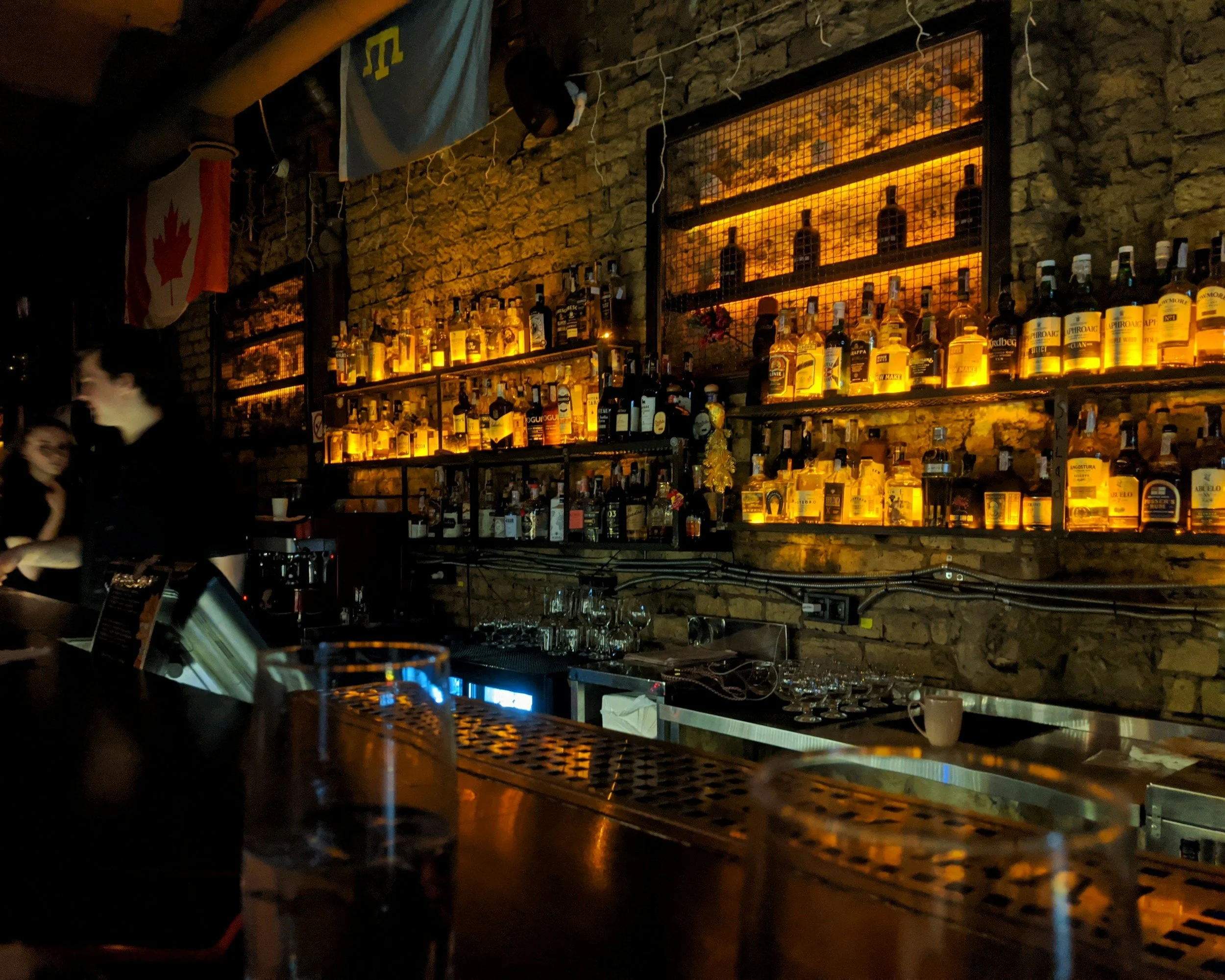
Liquor Liability Insurance in Colorado Springs
Quick answer: Liquor liability insurance can help protect a Colorado business from covered claims alleging that its sale, service, furnishing, or distribution of alcohol contributed to bodily injury or property damage. Depending on the policy, it may help pay for legal defense, settlements, and judgments, subject to exclusions, limits, deductibles, and policy terms.
Liquor liability is designed for businesses that make, sell, serve, or distribute alcoholic beverages. It is different from ordinary general liability and should be coordinated with property, workers' compensation, commercial auto, crime, cyber, and other business coverage.
Who Needs Liquor Liability Insurance in Colorado?
Businesses that should consider liquor liability coverage include:
• Bars, taverns, pubs, and cocktail lounges
• Restaurants that serve beer, wine, or spirits
• Nightclubs and entertainment venues
• Wine bars, tasting rooms, and bottle shops with tastings
• Breweries, brewpubs, taprooms, distilleries, and wineries
• Liquor stores, package stores, and beer stores
• Alcohol distributors, wholesalers, and importers
• Caterers, food-service companies, and mobile bar services
• Hotels, resorts, country clubs, golf courses, and private clubs
• Concert venues, festivals, event centers, and wedding venues
• Nonprofits and organizations hosting alcohol-related events
The right insurance program depends on whether alcohol is consumed on-site, sold for off-premises use, delivered, sampled, manufactured, or served at temporary events.
What Liquor Liability Insurance May Cover
A policy may respond to allegations involving:
• Bodily injury caused by an intoxicated customer
• Property damage caused by an intoxicated customer
• Negligent service of alcohol
• Service to an underage or visibly intoxicated person
• Alcohol-related accidents occurring away from the insured premises
• Legal defense expenses
• Covered settlements and judgments
The exact trigger for coverage and the legal allegations that qualify depend on the policy and facts of the claim. Defense costs may be inside or outside the policy limit, so that detail should be reviewed when comparing options.
Colorado Liquor Liability and Dram-Shop Risk
Colorado law limits alcohol-vendor liability in many situations but allows civil claims under specified circumstances. Liquor-licensed businesses can also face administrative or licensing consequences for violations of state or local rules.
Insurance is not a substitute for responsible service, age verification, staff training, security procedures, or compliance with licensing requirements. Businesses should obtain legal advice about their specific obligations.
Review Colorado's current liquor enforcement laws and rules:
https://sbg.colorado.gov/liquor-enforcement-laws-rules-regulations
Liquor Liability Versus General Liability
Commercial general liability typically covers premises-related bodily injury, property damage, and certain personal or advertising injuries. However, businesses that manufacture, distribute, sell, serve, or furnish alcohol may have an exclusion for alcohol-related liability.
A customer slipping on a wet restaurant floor may be a general-liability issue. A claim alleging that alcohol service contributed to a collision or injury may require liquor liability coverage. Both policies may be necessary.
Learn about Colorado Springs general liability insurance:
https://www.insurancewithapurpose.com/general-liability-insurance
Host Liquor Liability Versus Liquor Liability
Host liquor liability may be included in some general-liability policies for businesses that do not sell, manufacture, or regularly serve alcohol but occasionally furnish it at a company function. It is not intended to replace liquor liability for a bar, restaurant, liquor store, caterer, venue, or other business in the alcohol trade.
If alcohol is sold, included in an admission price, provided by a contracted bartender, or served regularly, confirm the coverage arrangement before the event.
Liquor Store Insurance
A liquor store needs more than one type of insurance. Liquor liability may address claims related to alcohol sales, while general liability, commercial property, crime, cyber, workers' compensation, and commercial auto may address other exposures.
Important liquor-store considerations include:
• Off-premises alcohol sales
• ID verification and employee procedures
• Tastings and promotional events
• Delivery or curbside service
• Inventory values and spoilage
• Theft, robbery, and employee dishonesty
• Glass breakage and equipment
• Building, tenant-improvement, and sign coverage
A package designed for a liquor store should reflect its actual operations rather than treating it like an ordinary retail shop.
Bar, Restaurant, and Nightclub Insurance
Bars, restaurants, wine bars, and nightclubs may have different underwriting needs based on late-night hours, percentage of alcohol sales, entertainment, dancing, security staff, occupancy, food service, and prior incidents.
Assault-and-battery coverage deserves special attention. Some policies exclude these claims, restrict them with a sublimit, or define them broadly. A business should understand whether the policy addresses allegations involving fights, security personnel, negligent hiring, or failure to provide adequate security.
Brewery, Winery, Distillery, and Craft-Beverage Insurance
Craft-beverage businesses may combine manufacturing, wholesale distribution, tasting-room, event, and retail exposures. Liquor liability is only one part of the program. Property, equipment breakdown, product contamination or recall, cargo, commercial auto, workers' compensation, and business-income coverage may also be relevant.
Make sure the policy accurately describes where products are made, stored, sampled, sold, delivered, and distributed.
Liquor Distribution and Wholesale Insurance
Distributors and wholesalers need coverage aligned with warehouse operations, inventory, transit, delivery vehicles, contracts, and the products they handle. Liquor liability terms should be reviewed alongside product liability, commercial auto, cargo, property, crime, and umbrella coverage.
Caterers, Weddings, and Special Events
A caterer, venue, festival, or event host may need annual liquor liability, event-specific liquor liability, or both. Contracts may require certificates of insurance, additional insured status, specific limits, or primary and noncontributory wording.
Confirm who is responsible for buying and serving the alcohol: the venue, host, caterer, bartender, tenant, or outside vendor. Each party should understand its own coverage obligations.
Learn about Colorado special-event insurance:
https://www.insurancewithapurpose.com/special-event-insurance
What Liquor Liability Usually Does Not Cover
Exclusions vary, but liquor liability generally does not replace coverage for:
• Damage to your own building, equipment, or inventory
• Employee injuries covered by workers' compensation
• Auto accidents involving company-owned or business-used vehicles
• Ordinary premises claims unrelated to alcohol
• Professional services
• Cyber incidents or payment-card breaches
• Known claims or incidents that began before coverage
• Intentional conduct or illegal acts, depending on policy language and applicable law
• License suspension, loss of license, fines, or penalties
• Assault and battery when excluded or restricted
Punitive damages, statutory penalties, and licensing consequences may be uninsurable or excluded. Policy language and applicable law control.
How Much Liquor Liability Coverage Do I Need?
There is no universal limit for every business. Consider:
• Lease, venue, lender, licensing, franchise, or supplier requirements
• Annual alcohol sales and total revenue
• Number of locations
• On-premises versus off-premises consumption
• Late-night hours, entertainment, dancing, and security
• Delivery, catering, festivals, or temporary events
• Umbrella or excess-liability requirements
• Whether defense costs reduce the available limit
• Assault-and-battery limits or exclusions
An umbrella policy may provide additional limits only if the underlying liquor-liability coverage is scheduled and the umbrella does not exclude the exposure.
Learn about business owner's policies and packaged business coverage:
https://www.insurancewithapurpose.com/business-owners-policy-bop
What Affects the Cost of Liquor Liability Insurance?
Pricing varies based on the business and policy. Common factors include:
• Type of operation
• Annual alcohol sales and percentage of total revenue
• Hours of operation
• Live entertainment or dancing
• Security procedures
• Server training and ID-verification practices
• Prior claims, violations, or license actions
• Coverage limits and deductibles
• Assault-and-battery coverage
• Number of locations and events
• Delivery, catering, manufacturing, or distribution operations
Generic online averages can be misleading. A complete application produces a more useful comparison.
What to Prepare for a Liquor Liability Quote
Gather:
• Business name, address, ownership, and years in operation
• Liquor-license type and status
• Annual gross sales and alcohol sales
• Operating hours and closing time
• Food-versus-alcohol sales percentage
• Entertainment, dancing, cover charges, and security details
• Server-training and ID-check procedures
• Delivery, catering, tastings, festivals, or off-site operations
• Prior claims, violations, and license actions
• Current policies, limits, and loss runs
• Lease or contract insurance requirements
Frequently Asked Questions
Is liquor liability insurance required in Colorado?
Colorado does not impose one identical insurance requirement on every alcohol-related business. However, a local authority, landlord, lender, franchise, event venue, supplier, or contract may require coverage. Confirm requirements for your license and operations.
Does general liability cover alcohol-related claims?
A general-liability policy may include host liquor coverage for a business that does not sell or regularly serve alcohol. Businesses in the alcohol trade often need separate liquor liability coverage because general liability may exclude that exposure.
Does a Colorado liquor store need liquor liability insurance?
A liquor store should consider liquor liability for claims tied to alcohol sales, especially if it conducts tastings or offers delivery. It also needs other coverage for property, inventory, crime, employees, vehicles, and ordinary premises liability.
Does liquor liability cover fights or assaults?
It depends. Assault-and-battery claims may be covered, excluded, or subject to a separate sublimit. Review the wording carefully, particularly for bars, nightclubs, venues, and businesses using security personnel.
Can liquor liability cover an accident away from the premises?
A covered claim may arise after a customer leaves the premises, but coverage depends on the allegations, applicable law, and policy terms. The insurer determines coverage based on the actual claim.
Do caterers and wedding venues need liquor liability?
They may. The answer depends on who sells, serves, furnishes, and controls the alcohol. Event contracts often assign insurance obligations to multiple parties.
How much does liquor liability insurance cost?
Cost varies by operation, alcohol sales, hours, entertainment, security, claims history, limits, and coverage features. Bars, liquor stores, restaurants, breweries, distributors, and occasional events are rated differently.
Request a Colorado Liquor Liability Quote
Call Main Street Insurance at 719-309-6439 to compare liquor liability insurance for a Colorado Springs bar, restaurant, liquor store, wine bar, nightclub, brewery, caterer, venue, or distributor. We will help you review limits, exclusions, assault-and-battery terms, contract requirements, and how liquor liability fits with the rest of your business insurance.
Coverage descriptions are general and are not legal advice. Actual protection, exclusions, limits, deductibles, conditions, and availability depend on the carrier, policy forms, and facts of a claim.