

Colorado Springs Insurance Blog
Practical, plain-English insurance guidance for Colorado Springs families, military households, and local businesses — from the independent team at Main Street Insurance.
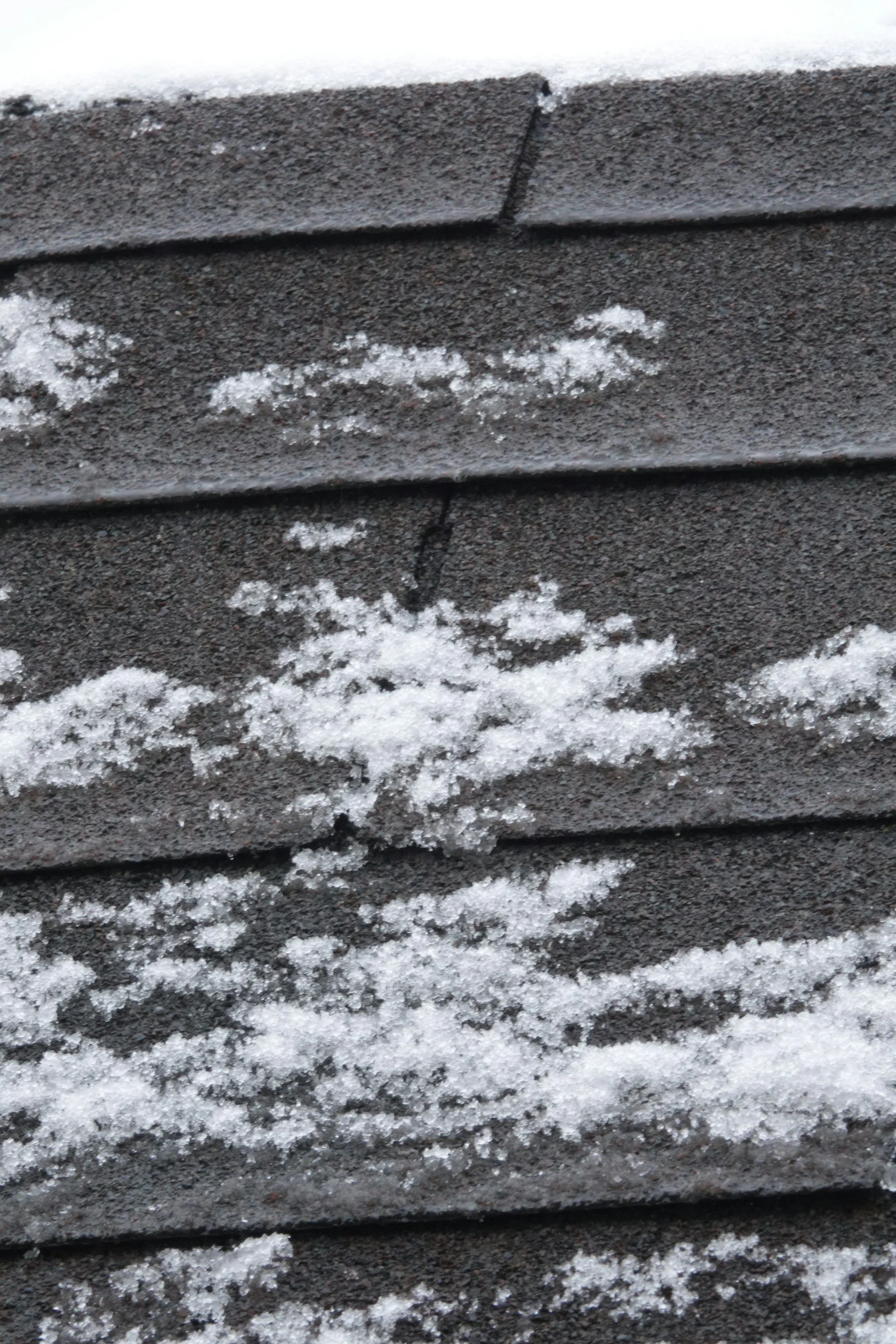
Hail Damage Documentation Checklist: What to Capture Before You File
COLORADO SPRINGS INSURANCE RESOURCE — UPDATED JULY 2026
Strong documentation can help establish when the damage occurred, show the condition of your property, and make the claim process easier to navigate.
Use this checklist after a storm and before formally filing a claim. Always put safety first.
Step 1: Record the Storm Date and Details
Note the exact date and approximate time of the hailstorm
Record the approximate hailstone size using a common object, such as a coin or ball, for scale
Save local news reports, National Weather Service alerts, or other weather records confirming the storm
Write down when you first noticed the damage
Note whether wind, rain, or interior leaking occurred during or after the storm
Step 2: Photograph All Visible Damage Safely
Take wide photos of all sides of the home from the ground
Capture close-up images of visible damage to siding, gutters, downspouts, vents, skylights, windows, or exterior fixtures
Photograph granule accumulation near downspout exits or in accessible gutter areas
Document damage to vehicles, fencing, outdoor furniture, air-conditioning units, sheds, or other structures
Take photos from multiple angles when possible
Preserve the original files so the date and location metadata remain available
Record short videos if they help show the overall condition of the property
Do not climb onto your roof to inspect or photograph it. A hail-damaged roof may be unsafe, and walking on damaged materials can cause additional harm. Document what you can safely see from the ground or through a window and leave the roof inspection to a qualified professional.
Step 3: Schedule a Professional Roof Inspection
Contact a licensed, reputable roofing contractor
Ask whether the contractor has experience documenting storm damage
Confirm whether they will provide a written report with photos
Ask whether they can explain which areas appear damaged and which do not
Ask whether they are available to attend the adjuster’s inspection, if permitted and useful
Avoid signing an assignment, contingency agreement, or repair contract until you understand the terms
A qualified inspector can identify damage that may not be visible from the ground. Insurers may evaluate test squares, individual roof slopes, roofing materials, functional damage, repairability, and policy requirements when deciding whether repair or replacement is warranted.
Standards and coverage decisions vary by carrier, roof type, and policy.
Step 4: Prevent Additional Damage
Most policies require the insured to take reasonable steps to protect the property from further damage.
Address active leaks or exposed areas as soon as it is safe to do so
Use temporary measures such as tarps or water mitigation when necessary
Photograph the area before and after temporary repairs
Keep damaged materials when practical until the insurer has had an opportunity to inspect
Do not make permanent repairs before the insurer’s inspection unless emergency conditions require them
Step 5: Save All Receipts and Correspondence
Keep every email, letter, and claim-related document
Save receipts for temporary repairs, tarps, water mitigation, emergency lodging, or other storm-related expenses
Record the date, time, name, and contact information for every person you speak with
Keep a written log of phone calls and important conversations
Save contractor estimates, inspection reports, and photographs
Store copies in more than one place, such as cloud storage and a local folder
Some reasonable emergency expenses may be reimbursable if the loss is covered, but reimbursement depends on the policy and carrier review.
Step 6: Review Your Declarations Page and Policy Before Filing
Before contacting the insurer, review the policy documents you have available.
Is the wind-and-hail deductible a flat dollar amount or a percentage of the dwelling coverage limit?
Is the roof settled at replacement cost value, or RCV, or actual cash value, or ACV?
Does the policy contain a roof-payment schedule?
Are there cosmetic-damage exclusions or limitations?
Are there special limitations based on roof age or roofing material?
What are the dwelling and other-structures coverage limits?
Does the policy include ordinance-or-law coverage?
Are there deadlines for reporting the loss, completing repairs, or claiming recoverable depreciation?
Does a mortgage company need to be included on claim payments?
Step 7: Organize the Claim File
Create one folder for all claim-related material.
Suggested sections include:
Policy and declarations page
Storm records
Photos and videos
Contractor inspection report
Claim number and adjuster information
Insurance estimates
Contractor estimates
Receipts and invoices
Supplements and revised estimates
Completion documents and warranties
Important Filing Deadline Reminder
Your policy controls the applicable notice, filing, repair, and documentation deadlines.
Some policies require notice or claim filing within a specific period after the loss. Others contain separate deadlines for completing repairs or submitting replacement-cost documentation.
Do not assume that a general legal limitation period extends a deadline written into the insurance policy. Review the policy and act promptly.
After a major storm, adjusters and contractors may be overwhelmed. Early documentation can make it easier to connect the damage to the correct storm and avoid unnecessary delays.
Ready to File?
Once you have completed the checklist, the next step is to contact your insurer and work through the adjuster process.
See our companion guide: How to File a Hail Damage Claim in Colorado Springs: Step by Step.
Have Questions Before You File?
Main Street Insurance - Patrick Murakami Agency helps Colorado Springs homeowners understand their policy, deductible, roof settlement terms, and options before and after a storm.
GET A FREE COVERAGE REVIEW
Call 719-309-6439
insurancewithapurpose.com — BBB A+ Rated — Award-Winning Service — Serving Colorado Springs Since 2019
This checklist is provided for educational purposes only and does not constitute legal advice, claims advice, or a guarantee of coverage or payment. Policy terms, exclusions, deductibles, deadlines, and claim procedures vary by carrier and individual contract. Review your policy and consult a licensed insurance professional for guidance specific to your situation.
© 2026 Main Street Insurance - Patrick Murakami Agency